82%
82% shrimp survival with biofloc and ozone nanobubbles
vs. 40% in clear-water culture. Result obtained in combination with biofloc.
Research paper · Liang et al. · 2025
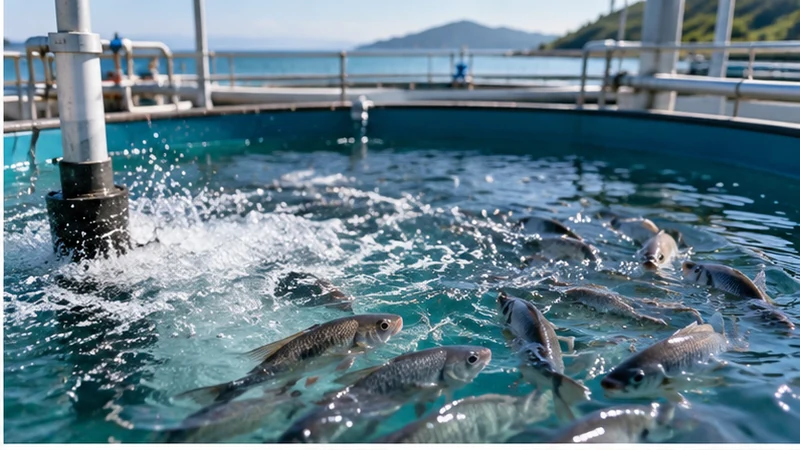
Oxygen nanobubbles are supplied to culture water in shrimp and fish farms and recirculating aquaculture systems (RAS) to raise dissolved oxygen, supporting stable respiration for farmed species and oxygen management of culture water.
Dissolved oxygen drops easily during hot periods, at night and at high stocking densities, and accumulated feed residue and waste increase oxygen demand further. Dissolved oxygen deficiency can affect the respiration, metabolism, growth and survival of farmed species.
When dissolved oxygen is low, fish and shrimp struggle to obtain enough oxygen, leading to respiratory stress and reduced normal metabolic activity.
Prolonged oxygen deficiency restricts the energy metabolism needed for feeding and growth, slowing growth and lowering feed efficiency.
Severe oxygen deficiency or a sudden drop in dissolved oxygen can lead to mass mortality, and lower survival is a direct production loss for the farm.
Oxygen nanobubbles strengthen the dissolved oxygen supply to culture water, improving respiration conditions for farmed species and helping maintain aerobic water quality and a stable culture environment. This potential is being examined in research papers; Honour Tech's aquaculture application is currently at the 'validation' stage.
Expected benefit
Expected benefit
Expected benefit · Research papers
Any culture facility that can circulate its water can be considered. All three applications are currently at the 'validation' stage.
Dissolved oxygen supply for outdoor ponds and land-based tanks
Oxygen supply and water quality management in high-density tanks
Oxygen supply for water recirculation and biofiltration
Aquaculture nanobubble systems are selected based on culture water volume, oxygen demand, operating hours and the existing aeration setup. HEN, suited to high flow and long operating hours, is recommended first; HOA is also an option where dissolved oxygen supply is the main goal.
| Sub-application | HEN High efficiency | HOA Oxygen dissolver |
|---|---|---|
| Shrimp farming | Recommended | Optional |
| Tank-based fish farming | Recommended | Optional |
| Recirculating aquaculture (RAS) | Recommended | Optional |
| Details HEN | Details HOA |
Recommended Optional Multiple units are run in parallel when flow exceeds a standard model's capacity.
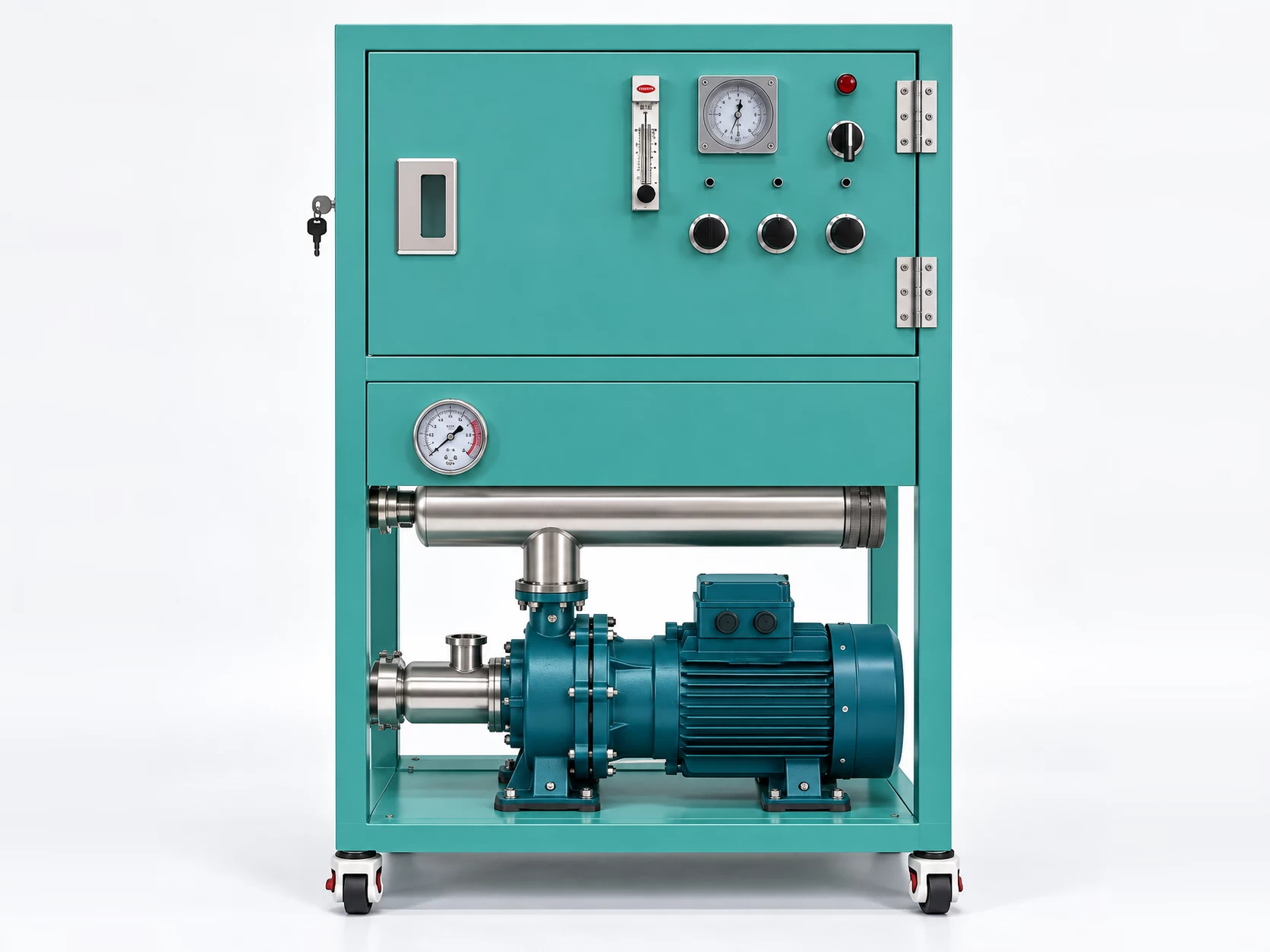
Research papers on oxygen nanobubbles in aquaculture evaluate dissolved oxygen supply, culture conditions, and growth and survival indicators. Honour Tech uses these results to review application conditions in real farms, and publishes both positive and neutral results in its case studies.
82%
vs. 40% in clear-water culture. Result obtained in combination with biofloc.
Research paper · Liang et al. · 2025
No difference
Nitrite concentration was lower, 1.40 → 0.99 mg/L.
Research paper · Sean et al. · 2025
Common questions about growth and survival, existing aeration, management at night and in hot periods, seawater use and oxygen supply costs.
In aquaculture environments where oxygen shortage affects growth and survival, oxygen nanobubbles can improve rearing conditions.
When dissolved oxygen is insufficient, the respiration, feeding and energy metabolism of shrimp and fish are limited, which can lead to slower growth or lower survival. Oxygen nanobubble systems can be used to relieve this oxygen shortage.
Some research papers have reported improved growth and survival with nanobubbles. Honour Tech's aquaculture application is currently at the "validation" stage, and on actual farms it is best to judge the effect by comparing growth rate, feed efficiency and survival along with changes in dissolved oxygen.
The basic approach is to run it together with existing aeration equipment. The nanobubble system reinforces oxygen supply, and any adjustment to existing equipment is considered after actual performance is confirmed.
Paddlewheels and blowers not only supply oxygen but also mix the water and create currents. Because the nanobubble system is used to strengthen oxygen transfer, we consider running it alongside existing equipment to raise overall oxygen supply efficiency.
Honour Tech checks the current dissolved oxygen level, operating conditions of existing aeration equipment and circulation of the rearing water to review a suitable configuration. Whether to adjust the operating hours or number of existing aerators is best decided after confirming actual oxygen supply performance and flow conditions.
It is important to manage dissolved oxygen around the times when oxygen shortage is likely and to secure the necessary oxygen supply.
During hot periods, the oxygen solubility of water falls while oxygen consumption by stock and microorganisms can rise. In ponds with abundant algae, dissolved oxygen can also fall sharply at night when photosynthesis stops.
Nanobubble systems can be used to reinforce oxygen supply during these periods. Honour Tech considers normal and night-time minimum dissolved oxygen, water temperature, stocking density and water volume to review the required system capacity and operating method.
In high-density aquaculture, it is also advisable to have emergency oxygen supply in place in case of equipment failure or power outage.
Application to seawater and brackish water can be considered, but equipment materials and operating conditions suited to the salinity must be chosen.
Seawater dissolves oxygen differently from fresh water, and salinity increases the risk of corrosion in pumps, piping, seals and bubble mixers.
Honour Tech checks the salinity, water temperature, flow rate and target dissolved oxygen of the feed water to review the suitability of the system and wetted-part materials. For seawater systems, it is important to select based on actual water quality and operating hours rather than applying freshwater standard specifications as they are.
Improving oxygen transfer efficiency and the operation of existing aeration equipment can help optimize the energy cost of oxygen supply.
Oxygen supply costs on a farm depend not only on the power consumption of pumps, blowers and paddlewheels but also on the use of oxygen generators or liquid oxygen. When considering adoption, it is important to compare the power and oxygen consumption of existing equipment and the nanobubble system against the same dissolved oxygen target.
Honour Tech checks rearing water volume, target dissolved oxygen, and operating hours and energy use of existing equipment to review a suitable system configuration. For high-flow facilities that run for long hours, it is best to compare annual operating costs as well as initial investment.
Tell us your species, culture method, tank capacity and current dissolved oxygen, and we will review a configuration for your site.
Contact Us