+10%
About 10% more microalgal biomass with CO₂ nanobubbles
CO₂ supply, 14-day culture, vs. conventional bubbles
Research paper · Li et al. · 2026
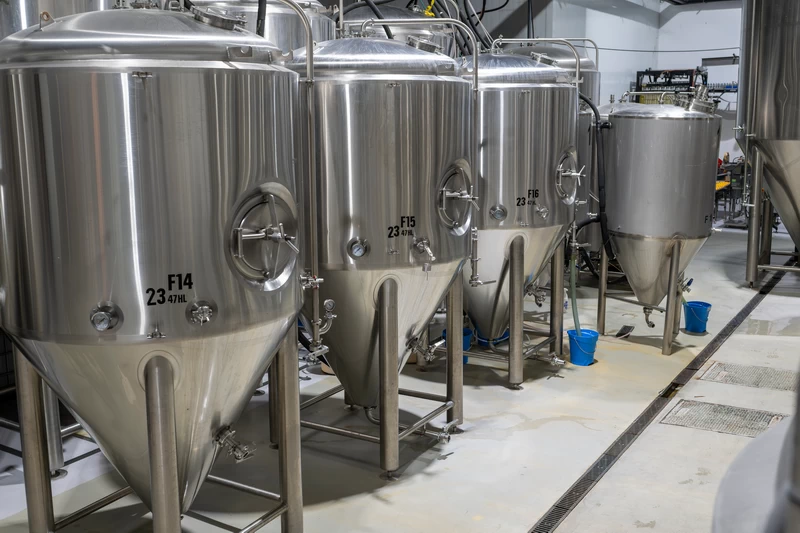
Oxygen nanobubbles support gas dissolution and dissolved oxygen management in aerobic microbial culture and fermentation. The application method is reviewed against the oxygen demand of the culture and the operating conditions of existing aeration and agitation equipment.
In aerobic microbial culture, if oxygen supply cannot keep up with the microorganisms' oxygen consumption, growth and product synthesis are limited and the process becomes harder to run.
Low dissolved oxygen restricts the respiration and energy metabolism of aerobic microorganisms, which can slow growth or reduce the yield of the target product.
Unstable oxygen supply during culture changes the microorganisms' metabolic state and product pathways, which can widen variation in yield and quality between batches.
Raising aeration or agitation speed to overcome oxygen deficiency increases power consumption and can raise the risk of foaming or shear damage to the culture.
For shear-sensitive cells, a configuration that does not pass the cells directly through the pump and bubble mixer is considered first.
What Are NanobubblesNanobubble gas supply improves gas transfer in culture processes, supporting the metabolic activity of aerobic microorganisms and helping raise process stability and operating efficiency. Actual effects are evaluated according to the culture, gas type and existing aeration and agitation conditions; Honour Tech's microbial culture and fermentation application is currently at the 'validation' stage.
Expected benefit
Expected benefit
Expected benefit
Can be considered for microbial culture and fermentation processes that require oxygen or other gases. Depending on the culture and existing equipment, either circulation treatment of the culture medium or pre-gassing of the feed water is chosen. Both applications are currently at the 'validation' stage.
Oxygen supply for microbial growth and culture
Better gas transfer in fermentation production
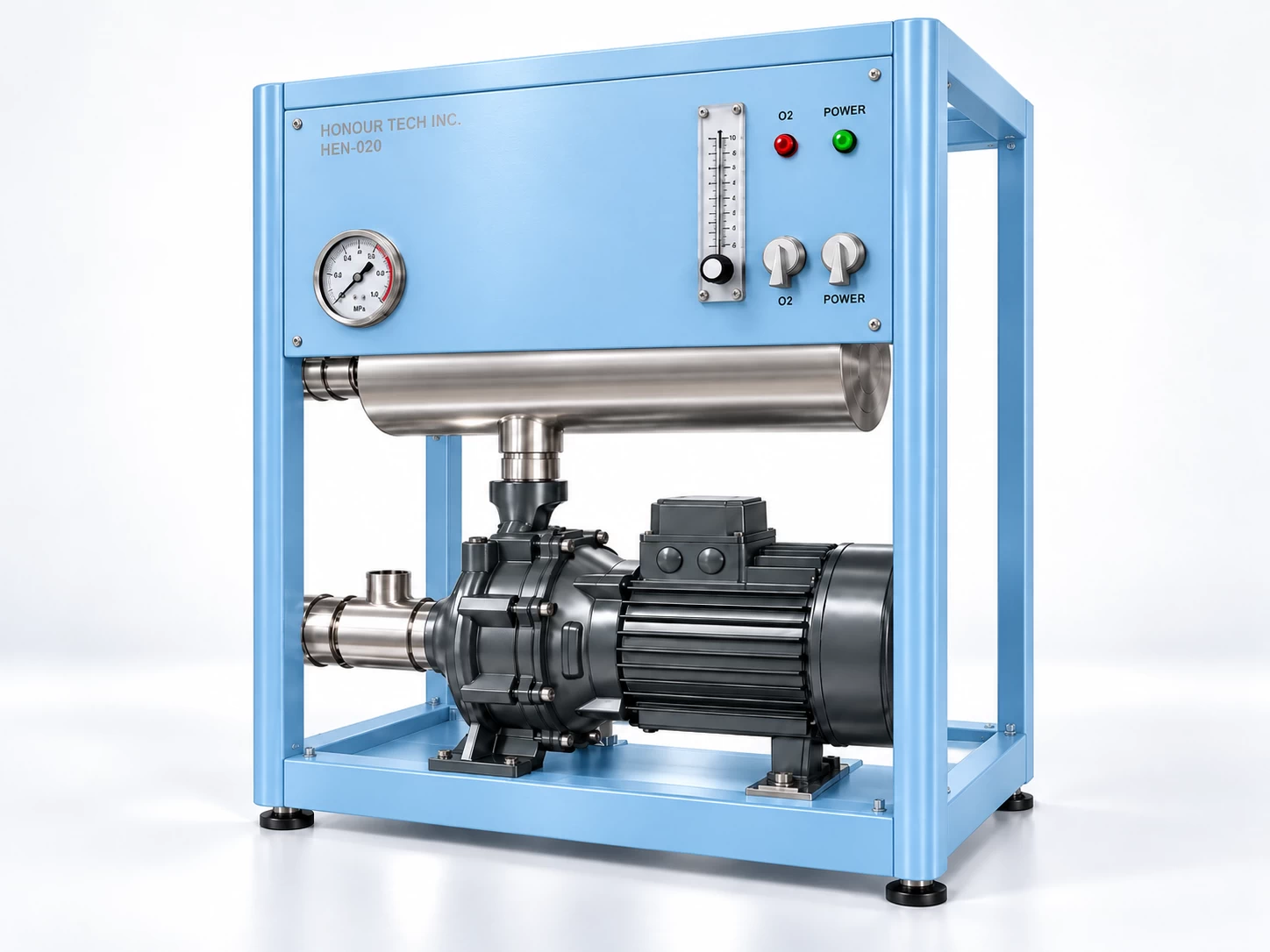
Nanobubble systems for culture and fermentation are selected based not only on gas supply performance but also on medium properties, hygiene requirements and connection to existing equipment. HTV is recommended first for processes where hygienic wetted parts matter, and HEN for high-flow, long-duration operation; HQN and HOA are also options depending on the purpose.
| Sub-application | HTV All SUS | HEN High efficiency | HQN High density | HOA Oxygen dissolver |
|---|---|---|---|---|
| Aerobic microbial culture | Recommended | Recommended | Optional | Optional |
| Industrial fermentation | Recommended | Recommended | Optional | Optional |
| Details HTV | Details HEN | Details HQN | Details HOA |
Recommended Optional HTV's internal module is all stainless steel; suitability for aseptic operation or sterilization-in-place (SIP) is checked separately for each process. Small-scale comparison tests can start with a research configuration (HQN-001, HQN-002, HEN-002).
Research papers on nanobubbles in microbial culture and fermentation examine potential applications for oxygen transfer, microbial growth and culture productivity. Honour Tech uses these results to review gas supply methods and operating conditions for real culture processes; test conditions and results for each study are available in the case studies.
+10%
CO₂ supply, 14-day culture, vs. conventional bubbles
Research paper · Li et al. · 2026
No difference
Early growth increased, but the stationary phase matched the control.
Research paper · Guo et al. · 2019
Common questions about culture productivity, gas selection, risk of damage to the culture, connection to existing equipment, hygienic processes and small-scale tests.
In aerobic culture processes where oxygen supply limits productivity, oxygen nanobubbles can be considered as a way to improve the growth environment of microorganisms and raise productivity.
Aerobic microorganisms consume oxygen as they grow and metabolize. If the oxygen transfer rate cannot keep up with their oxygen demand, growth and production of the target product can be limited.
Nanobubble systems can be used to improve this oxygen supply environment. The actual effect is best evaluated by comparing microbial growth rate, product yield and oxygen supply as well as dissolved oxygen change; Honour Tech's microbial culture and fermentation application is currently at the "validation" stage.
No. Culture and fermentation processes need different gases depending on the microorganism and production purpose, so it is important to choose the gas that suits the process.
Oxygen supply is important in aerobic microbial culture, but in anaerobic fermentation it can actually work against the process. In some microalgae cultures, carbon dioxide supply plays a key role.
Honour Tech reviews a suitable gas and system configuration based on the culture target and process purpose. Where needed, gas transfer performance and productivity changes can be evaluated against the existing culture method.
Pressure changes and shear forces in nanobubble generation can affect some culture targets, so a supply method suited to the microorganism is important.
Nanobubble systems generally use a pump and a gas mixing device. If the culture broth is circulated directly, the target microorganisms or cells may be mechanically affected.
For shear-sensitive cell cultures in particular, it may be better to pretreat the supply water or set up a separate gas supply path rather than passing the broth directly through the nanobubble system. Honour Tech checks the culture target and operating conditions to review a suitable connection method.
In most cases, a nanobubble system can be considered as an addition while keeping the existing fermenter and aeration and agitation equipment.
The nanobubble system reinforces gas transfer to the broth. Existing agitators, however, perform several functions, such as uniform distribution of temperature and nutrients and preventing settling, and these roles must also be considered.
If the culture can tolerate mechanical effects, a circulation line is used; for sensitive cultures, other connection methods such as pre-gassing the supply water are considered. Once the operating conditions of existing equipment are confirmed, the system can be configured to minimize process changes.
HTV is the first recommendation for culture and fermentation processes that need hygienic wetted parts, and small-scale comparison tests can be considered before commercial-scale adoption.
HTV is a product series with stainless steel (All SUS) internal modules, making it a strong candidate for processes where hygiene and equipment materials matter. This alone does not guarantee aseptic operation or sterilization-in-place (SIP) compatibility, however, so the cleaning and sterilization requirements of the process and the properties of the broth are checked together.
In small-scale tests, a research nanobubble system can be used to compare dissolved oxygen, oxygen transfer performance, microbial growth rate and product yield against existing operating conditions. Honour Tech checks the test purpose, target microorganism, broth viscosity and properties, and gas to be used to review a suitable test method and commercial system configuration.
Tell us your culture, vessel capacity, current aeration method and gas used, and we will start by reviewing a test method with you.
Contact Us