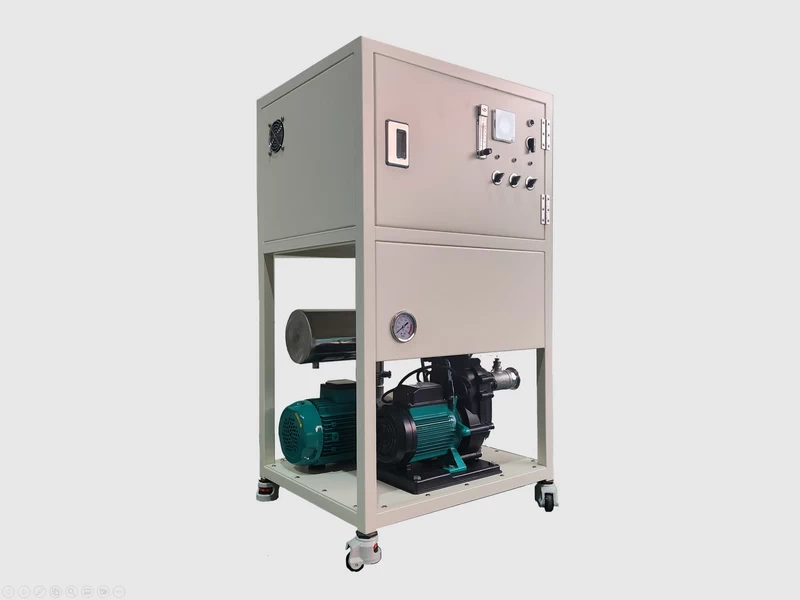
High-Density Nanobubble System HQN
HQN is a system that produces high-density nanobubble water with a high-pressure pump and bubble mixer. It suits cleaning, water treatment and production processes that require high dissolution efficiency.
- Flow by model
- 0.6 · 1.2 · 2.5 · 5 · 10 · 20 m³/h
- Pump type
- Booster / centrifugal + booster
- Operating pressure
- 3.2–5.5 bar (varies by model)
- Gases
- Air · O₂ · N₂ · H₂ (O₃ optional)
- System configuration
- Pressurized circulation
Tell us your application, required flow, target water and tank/piping conditions, and we will review a suitable model and configuration.
Benefits of a high-density nanobubble system
High-density nanobubble water produced by high-pressure operation is used in cleaning, water quality management and gas dissolution processes. Technical characteristics and conditions for each process are covered on the application pages.
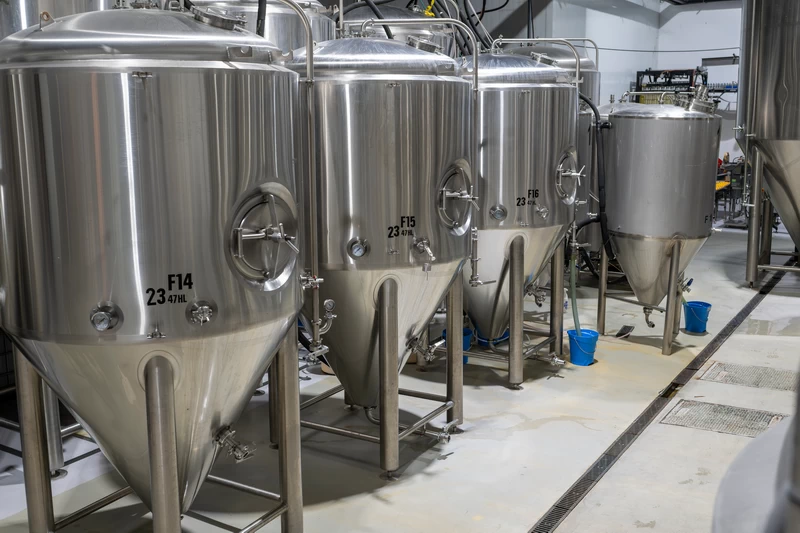
Gas dissolution in processes
Gases suited to the purpose are dissolved with high efficiency for oxygen transfer and various gas–liquid contact processes.
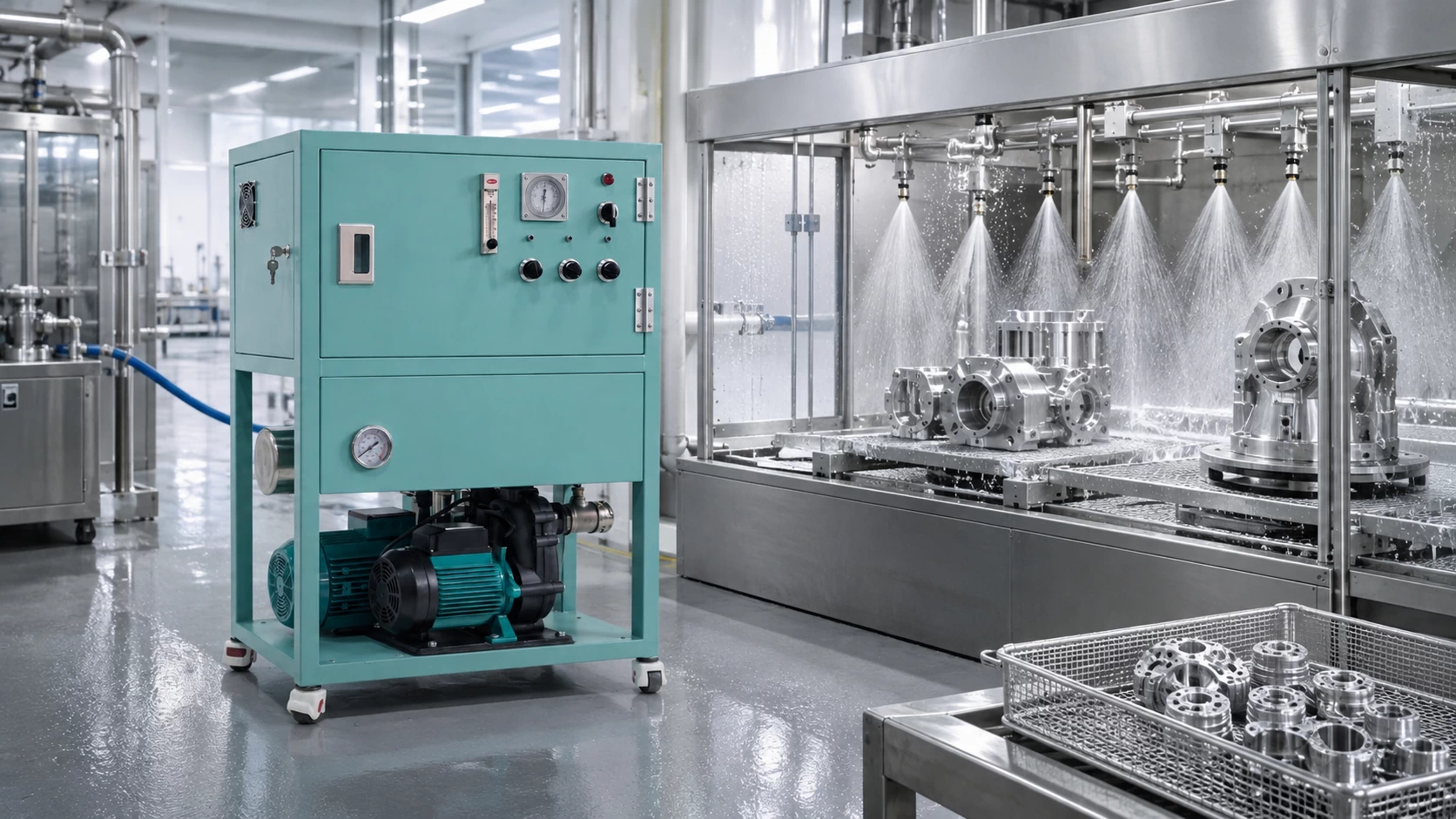
Supports cleaning processes
The cleaning properties of nanobubble water can help stabilize quality in equipment, parts and surface cleaning. In a glass surface comparison test, 2 of 4 types of oil-based marker were completely removed (in-house test).
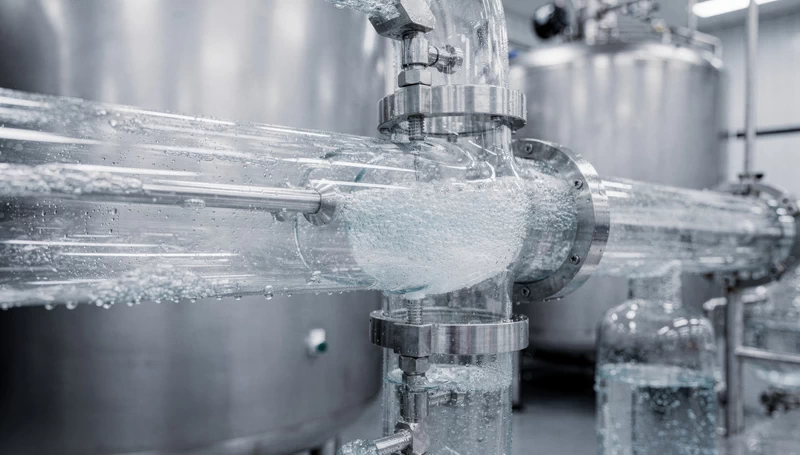
Circulating water and pipe management
Nanobubble water repeatedly circulated through tanks and pipes can be used to manage circulating water quality and fouling inside pipes.
Applications for HQN
It can be considered for any process that circulates water through tanks or pipes.
- Car wash
- Laundry
- Dishwashing
- Produce & food washing
- Glass
- Metal
- Precision parts
- Electronic parts
- Semiconductors
- Pharmaceuticals
- Agrochemicals
- Cosmetics
- Food process CIP
- Pipe & circulating water management
- Agriculture
- Hydroponics
- Smart farms
- Fermentation · Culture
- Car wash wastewater reuse
- Sewage treatment (STP)
- Wastewater treatment (WWTP)
- Industrial wastewater
- Ozone advanced oxidation (AOP)
- Swimming pools
- Livestock barn washing & disinfection
- Biosecurity
- Functional water
- Skincare (sauna)
- Research & Testing
-
CO₂ applications In R&D
-
Data center cooling In R&D
When HQN is a good fit
- Sites that want to apply nanobubbles while circulating water through tanks or pipes
- When adding a nanobubble system to existing piping or water treatment processes
- Processes requiring high dissolution efficiency or high-density nanobubbles
- When the required flow matches one of the 6 standard models
When another series fits better
- For large flows where initial cost and power consumption need to be reduced, HEN
- For strict hygiene standards, HTV
- When raising dissolved oxygen is the only goal, HOA
- For low flows of 5 L/min or less, the S Series
HQN configuration and installation
Target water is drawn in, treated with nanobubbles and returned to the same tank or circulation system.
Swipe left or right to see the full table.
-
Target water intake
A pump draws water from the tank or circulation system.
-
Gas mixing and nanobubble generation
Gas suited to the purpose is mixed in and passed through the HQN bubble mixer.
-
Circulation
The nanobubble water is returned to the same tank or circulation system for repeated operation.
Sites requiring more than 20 m³/h use multiple units in parallel.
HQN Model Specifications
Compare flow, operating pressure and pump type by standard model. Detailed installation conditions and options are reviewed for each site.
Swipe left or right to see the full table.
| Item | HQN-001 | HQN-002 | HQN-003 | HQN-005 | HQN-010 | HQN-020 |
|---|---|---|---|---|---|---|
| Treatment flow (m³/h) | 0.6 | 1.2 | 2.5 | 5 | 10 | 20 |
| Treatment flow (L/min) | 10 | 20 | About 42 | About 83 | About 167 | About 333 |
| Operating pressure (bar) | 3.2–3.8 | 4.5 | 4.5–5.0 | 4.5–5.0 | 4.5–5.0 | 4.5–5.5 |
| Pump type | Booster pump | Booster pump | Booster pump | Booster pump | Centrifugal + booster pump | Centrifugal + booster pump |
| Gases | Air, O₂, N₂, H₂ (ozone optional) | |||||
| System configuration | Pressurized circulation | |||||
Listed flows are each model's standard flow. Pressures are model operating conditions; actual pumps and system configuration are confirmed according to target water and installation environment. Flows not covered by standard models are available as custom builds by arrangement.
Ozone option
Choose the ozone option for processes that dissolve ozone in water.
- What changes
- Wetted parts are made of ozone-resistant materials.
- Available models
- All 6 models
- Applications where the ozone option is recommended first
- Car wash wastewater reuse, ozone advanced oxidation (AOP), sewage and wastewater treatment, livestock facility cleaning and disinfection, biosecurity
- Also reviewed
- Ozone concentration, off-gas ozone treatment, residual ozone, worker safety
- What you need to provide
- Ozone generator and off-gas ozone treatment equipment
HQN FAQ
Answers to key technical and adoption questions when considering HQN.
What is HQN used for?
It is used in circulation processes in cleaning and washing, water and environment, productivity and hygiene.
Suitable gases and operating conditions are reviewed after checking the target water and process purpose.
Should I choose HQN or HEN?
HQN, if high dissolution efficiency or high-density nanobubbles are needed.
HEN is the right choice if flows are large and initial cost and power consumption need to be reduced. HQN runs on a high-pressure pump, HEN on a standard surface pump.
Which gases can be used?
It uses air, oxygen (O₂), nitrogen (N₂) and hydrogen (H₂).
Ozone (O₃) is configured with the ozone option. Gas supply equipment is reviewed together to suit the gas used.
Can it also produce ozone nanobubbles?
It can be configured with the ozone option.
The design follows a check of ozone concentration, off-gas ozone treatment, residual ozone and worker safety conditions.
Can the flow be adjusted or scaled up?
Each model has a fixed rated flow, so choose the model for the flow you need.
Flows above 20 m³/h use multiple units in parallel, and flows not covered by standard models are available as custom builds by arrangement.
Do I need to replace existing equipment?
It can be added to existing tanks and circulation piping.
Suction and discharge connection points, pipe sizes, power and installation space are reviewed for each site.
Tell us your application, required flow, target water and tank/piping conditions, and we will review a suitable model and configuration.
Contact Us