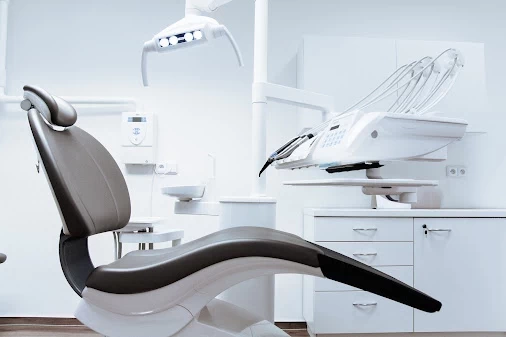
Dental unit in a treatment room
Hygiene & Healthcare · Case Studies

Hygiene & disinfection

Field sites and tests applying nanobubble water to hygiene management, and research on disinfection with ozone nanobubble water.

Dental waterline field pilots and an in-house test, together with published research.

  • Swimming pools
  • Dental unit waterlines
  • Livestock barn washing & disinfection
  • Biosecurity
Field demonstration
1 (validation pending)
In-house test
1
Research cases
4

Pilots running at dental clinics

The equipment is connected to dental unit waterlines and in operation. Results are pending validation.

Pilots running at 3 dental clinics

Field demonstration

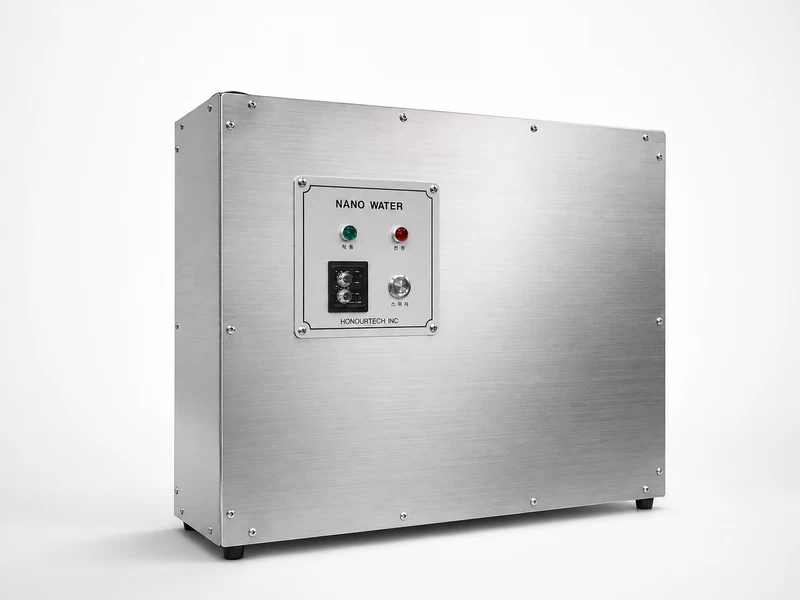
The dental waterline configuration (SQN) is connected to the dental unit water supply lines at 3 clinics in Korea and in operation.

3 clinics

Installed and operating Validation pending

Water quality test results will be published as they are compiled.

Quantitative performance data for this field will be provided once validation results that can be disclosed are available.

Test conditions

Test conditions

Target
Dental unit chair waterlines
Location
Three dental clinics in Korea
Application
Connected to the unit chair water lines to supply oxygen nanobubble water
Product used
S Series (SQN)
Status
Installed and in operation

Measurement results for the dental waterline configuration

Dissolved oxygen in the treated water was measured on a system configured for dental waterlines.

Treated water dissolved oxygen 65–100 mg/L

In-house test

The dissolved oxygen of oxygenated treated water was measured in a configuration connected to a dental unit chair's water line.

65–100 mg/L

Treated water dissolved oxygen Measurement

The concentration of oxygen dissolved in the treated water.

Conditions: flow rate 0.5–3.0 L/min, operating pressure 3.5–4.0 bar, oxygen

Test conditions

Test conditions

Target
S Series (SQN) configured for dental unit waterlines
Gas used
Oxygen
Treatment flow rate
0.5–3.0 L/min
Operating pressure
3.5–4.0 bar
Measured item
Dissolved oxygen in the treated water

Results reported in published research

These are results from published research, not performance measured with Honour Tech products. We selected representative studies from peer-reviewed papers and public research reports and do not include corporate promotional material. Studies in which the effect was unclear are included as well. Last reviewed: October 2026.

Positive studies 3

  • Bactericidal effect confirmed

    Periodontal pathogen

    Low cytotoxicity to gingival cells. An in vitro study.

    Ozone ultrafine bubble water shown to kill a periodontal pathogen

    Low cytotoxicity to gingival cells. An in vitro study.

    Paper details and results

    Ozone ultrafine bubble water sterilizes Porphyromonas gingivalis and neutralizes its virulence factors

    Ozone ultrafine bubble water sterilizes Porphyromonas gingivalis and neutralizes its virulence factors

    Citation
    Endo et al. · 2025 · PLoS ONE 20(10), e0334259
    Summary
    The effects of ozone ultrafine bubble water on a periodontal pathogen and its virulence factors were examined in vitro.
    Key findings
    It killed the bacteria by disrupting their membranes and reduced the activity of the proteases they produce. One of the signaling pathways triggered by bacterial components was not affected. This in vitro study observed bacterial membrane damage and protease activity.
    Gas used
    Ozone
    View original (opens in a new window)
  • Over 99%

    Reduction of 7 bacterial species (30 seconds)

    Nanobubble water with 4–6 mg/L ozone

    Over 99% reduction of 7 bacterial species after 30 seconds of contact with ozone ultrafine bubble water

    Nanobubble water with 4–6 mg/L ozone

    Paper details and results

    Ozone ultrafine bubble water exhibits bactericidal activity against pathogenic bacteria in the oral cavity and upper airway and disinfects contaminated healthcare equipment

    Ozone ultrafine bubble water exhibits bactericidal activity against pathogenic bacteria in the oral cavity and upper airway and disinfects contaminated healthcare equipment

    Citation
    Takizawa et al. · 2023 · PLoS ONE 18(4), e0284115
    Summary
    Ozone ultrafine bubble water was applied to 7 bacterial species from the oral cavity and upper airway (including antibiotic-resistant strains) and to contaminated toothbrushes and gauze, and toxicity to human gingival cells was also examined.
    Key findings
    Electron microscopy showed destroyed bacterial cell walls, and there was no significant toxicity to human cells. Performance against conventional ozone water, and disinfection in real water containing organic matter, require separate comparative evaluation.
    Gas used
    Ozone (4–6 mg/L)
    View original (opens in a new window)
  • 30 seconds

    Reduced below the detection limit

    2 periodontal pathogens, dissolved ozone about 1.5 mg/L

    Periodontal pathogens below the detection limit after 30 seconds of ozone nanobubble water treatment

    2 periodontal pathogens, dissolved ozone about 1.5 mg/L

    Paper details and results

    Effects of ozone nano-bubble water on periodontopathic bacteria and oral cells – in vitro studies

    Effects of ozone nano-bubble water on periodontopathic bacteria and oral cells – in vitro studies

    Citation
    Hayakumo et al. · 2014 · Science and Technology of Advanced Materials 15(5), 055003
    Summary
    Ozone nanobubble water (bubbles under 100 nm) was applied to 2 periodontal pathogens and an oral tissue model to examine its bactericidal effect and effect on cells.
    Key findings
    0.2% chlorhexidine needed 5 minutes for one of the same species. The decrease in viability of the tissue model after 24 hours was small. The effect on biofilms was not tested, and this is an in vitro study.
    Gas used
    Ozone (about 1.5 mg/L)
    View original (opens in a new window)

Neutral studies 1

  • No short-term effect confirmed

    Bacterial reduction (60 minutes or less)

    Nanobubble water without ozone

    No short-term bactericidal effect confirmed for nanobubble water without ozone

    Nanobubble water without ozone

    Paper details and results

    Antibacterial Effects of Nanobubble Water and Its Potential Application in Healthcare-associated Infection Control

    Antibacterial effect of nanobubble water and potential application in healthcare-associated infection control

    Citation
    Yoshida et al. · 2026 · In Vivo 40(2), 889–903
    Summary
    Nanobubble water made with four gases (bubbles 50–100 nm) was applied to E. coli and Staphylococcus aureus (including resistant strains) to examine antibacterial effects over time.
    Key findings
    Antibacterial effects grew with time and varied by gas and bacterial species. With no reduction at 60 minutes or less, the authors concluded it suits long-immersion uses rather than short-contact disinfection.
    Gas used
    Air, oxygen, nitrogen, carbon dioxide
    View original (opens in a new window)

Frequently Asked Questions

What does the dental waterline configuration use?

It uses only water and oxygen.

It connects to the dental unit water supply line and supplies oxygen-dissolved water; in our in-house test, dissolved oxygen in the treated water was 65–100 mg/L. This value is not a measure of microbial reduction and does not indicate any medical efficacy.

When will results from dental clinics be available?

The system is operating at 3 clinics in Korea, and results are pending validation.

We will publish water quality test results on this page once they are compiled. The system is intended to be used together with existing disinfection and infection control procedures.

Are there data for pools, livestock barns and biosecurity?

Field figures will be published once conditions have been documented.

For pools we supply systems for circulating water management, and for barn cleaning and disinfection and biosecurity, field validation is under way. Results vary with raw water quality, facility and conditions of use.

How were the studies selected?

We selected representative studies from peer-reviewed published papers.

We include 3 positive studies and 1 study with limited effect. These are not performance measurements of Honour Tech products, and all the positive studies evaluated ozone nanobubble water in vitro. One study reported that nanobubble water without ozone did not reduce bacteria with short contact times.

Tell us the application, scale and current disinfection method, and we will review a suitable configuration and operating conditions.

Contact Us