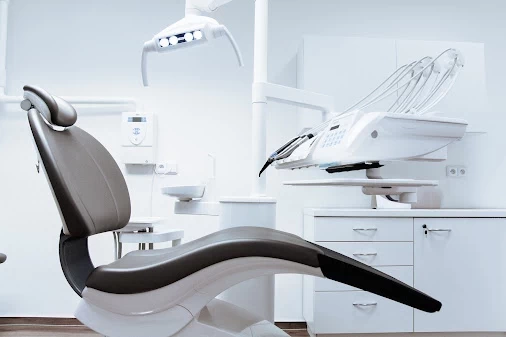
Nanobubbles in Dental Unit Waterline Hygiene
A nanobubble system connected to the water supply line of dental unit chairs supplies oxygen nanobubble water with
high dissolved oxygen to supplement waterline hygiene.
It is used alongside existing waterline maintenance
equipment, and waterline hygiene effects are being assessed in dental clinic pilots in Korea.
Hygiene challenges in dental unit waterlines
The narrow waterlines of dental unit chairs have a large internal surface area and hold standing water when not in use, making biofilm and microbial control essential.
-
Stagnant water in the lines
When the chair is not in use, water stays in the lines for long periods, making it easy for microorganisms to attach to the walls and form biofilm.
-
Burden of chemical disinfection
Chemical disinfectants take time and money, raise concerns about residues and must be managed according to the manufacturer's instructions.
-
Difficulty of consistent maintenance
With several chairs, it is hard to maintain the waterlines and check water quality to the same standard for each chair.
Role of oxygen nanobubble water supply
- Oxygen nanobubble water supply Oxygen nanobubble water with high dissolved oxygen is supplied to the dental unit chair's water system. Only water and oxygen are used, with no chemicals added.
- Linked to existing waterline maintenance Used together with existing infection control procedures, such as flushing before treatment and regular water quality tests.
Higher dissolved oxygen and reduced biofilm are separate validation items. Waterline hygiene effects are confirmed separately through microbial testing.
What Are NanobubblesEffects in dental waterline hygiene
Oxygen nanobubble water flows through the waterlines during treatment and can be used to supplement waterline hygiene. High dissolved oxygen in the treated water was confirmed in in-house tests, and waterline hygiene effects are being assessed in dental clinic pilots in Korea. Dental waterlines are currently at the 'early market' stage.
-
Action
Supply of oxygen-enriched nanobubble water
- Connected to the unit chair's water supply line
- High dissolved oxygen in treated water
- Only water and oxygen used
Verified · In-house test (measured)
-
Field effect
Supplements waterline hygiene
- Potential for biofilm control
- Consistent maintenance across chairs
- Linked to existing infection control procedures
Expected benefit
-
Business effect
Optimized maintenance workload
- Disinfection intervals reviewed against water test results
- Supply time managed by timer
- Explaining waterline care to patients
Expected benefit
Dental unit chair water systems for application
Applied to dental clinics where nanobubble water can be supplied to the unit chair's water line. Dental waterlines are currently at the 'early market' stage.
-
Dental unit chairs
Water entering the chair supplied as oxygen nanobubble water
-
Clinics with multiple chairs
Shared water supply configuration for multiple chairs
-
Dental equipment & waterline care
Partnership with equipment manufacturers and waterline maintenance solutions
- Early market: product and basic performance validated
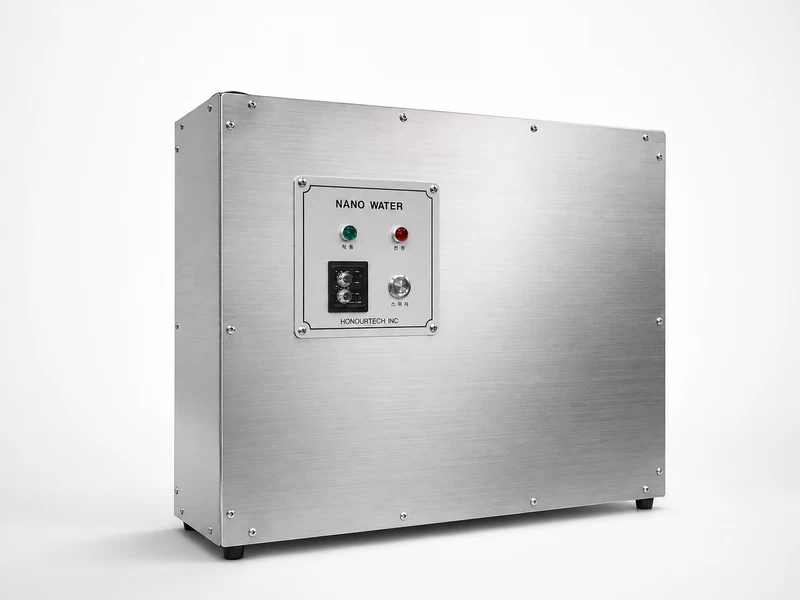
Compact nanobubble systems for dental waterlines
Configured with the S Series (SQN) and HTV according to the number of chairs and water supply conditions. HTV, with an all-stainless-steel internal module, is recommended for water systems with strict hygiene requirements.
| Sub-application | S Series SQN · Compact high-pressure | HTV All SUS |
|---|---|---|
| Dental unit waterlines | Optional | Recommended |
| Details S Series | Details HTV |
Recommended Optional HTV's internal module is all stainless steel. The S Series (SQN) is a low-flow configuration of up to 3 L/min. Backflow prevention, wetted-part materials, and the unit chair manufacturer's installation conditions and water quality requirements are checked together.
Selection factors
- Unit chair model and number
- Water supply method (bottle system, external supply)
- Simultaneous flow and supply pressure
- Backflow prevention and wetted-part materials
- Existing waterline maintenance procedures
Information to include in your inquiry
- Chair model and number
- Water supply method
- Current waterline maintenance procedures
- Installation space
Tests and field application of the dental waterline nanobubble system
Dissolved oxygen of the treated water was measured in in-house tests, and field pilots are under way at three dental clinics in Korea.
65–100 mg/L
Treated water dissolved oxygen
Oxygen nanobubble water from the S Series (SQN)
In-house test · Measured
3 clinics
Dental clinic field pilots
Installed and operating at dental clinics in Korea
Field trial · Validation planned
Frequently Asked Questions
Common questions about biofilm control, installation on existing unit chairs, waterline disinfectants, number of connections and validation of effects.
Does applying nanobubbles to dental unit waterlines help manage biofilm?
Honour Tech has developed and patented a nanobubble supply device for dental unit waterline hygiene and is confirming its effect through field pilots.
Dental unit waterlines have small diameters and sections where water stagnates, making it easy for microorganisms to attach to internal surfaces and form biofilm.
The device aims at long-term hygiene management of the waterlines and is distinct from treatments that remove thick, established biofilm in a short time. It is used together with existing waterline management procedures, and its effect is confirmed by microbial testing of the waterlines and the condition of the biofilm. Higher dissolved oxygen alone is not taken as evidence of biofilm removal or disinfection.
Can a nanobubble system be installed on existing dental unit chairs?
Connection of a nanobubble system is reviewed according to the water supply method, flow rate and pressure conditions of the existing unit chairs.
Dental unit chairs can be configured differently, for example with individual water bottles or connected to an external water supply. For installation, waterline pressure, instantaneous supply flow, and hygiene and backflow prevention at the connection are important.
Honour Tech checks the unit chair model and number, water supply method and installation space to review the application of the ultra-compact S Series (SQN) or another nanobubble system.
Does nanobubble water remove the need for existing waterline disinfectants?
Oxygen nanobubble water has not been validated as a replacement for existing dental waterline disinfection and infection control procedures, so existing management standards are maintained.
For dental waterlines, the microbiological safety of water delivered to patients is critical, and manufacturers' maintenance guidelines and water quality and infection control standards must be met.
Honour Tech compares water quality and microbial indicators before and after nanobubble application to review its potential to complement existing management procedures. Disinfectant intervals are adjusted while monitoring water test results, and we do not recommend changing disinfection procedures without sufficient validation.
Can one nanobubble system supply several unit chairs?
One S Series (SQN) unit can be connected to up to 20 unit chairs; the actual number is set according to simultaneous flow demand and water supply conditions.
Supply time is controlled by a timer. The required supply flow depends on chair usage patterns, supply pressure and piping configuration.
Honour Tech checks the number of chairs, simultaneous use conditions and water supply method to review flow and connection configuration. Above 20 chairs, the clinic is divided into zones served by two or more units.
How is the effect of nanobubbles in dental unit waterlines verified?
Microbiological water quality and the condition inside the waterlines are evaluated along with the dissolved oxygen of the treated water.
Dissolved oxygen measurement is an indicator of the oxygen supply characteristics of the nanobubble system. Waterline hygiene effects are evaluated by microbial indicators such as heterotrophic bacteria, biofilm condition and water quality changes under actual use conditions.
Honour Tech compares changes before and after nanobubble application while existing waterline management methods are maintained. Infection control benefits are judged only after validated results are obtained.
Tell us your unit chair model and number, water supply method and current waterline maintenance procedures, and we will review an application configuration and validation method for the nanobubble system.
Contact Us