
Nanobubbles in Pool Water Quality & Hygiene
Oxygen nanobubbles are supplied to pool circulation water to supplement water quality management and support efficient operation of existing filtration and disinfection processes. Applied to circulation water treatment in public and private pools and indoor and outdoor swimming facilities.
Water quality and hygiene challenges in pool circulation water
Swimmers constantly bring organic contaminants and microorganisms into the pool, so water quality must be managed continuously through filtration and disinfection.
-
Disinfectant use and management workload
Disinfectant must be dosed and water quality checked according to swimmer numbers and water condition, so the more swimmers, the heavier the workload.
-
Odor and irritation
Some disinfection by-products cause a distinctive odor and eye and respiratory irritation, which can lead to complaints from swimmers.
-
Circulation water quality management
As turbidity and organic load rise, the cost and maintenance burden of filtration and water replacement increase.
Role of nanobubble circulation water treatment
- Oxygen nanobubbles in circulation water Connected to the pool circulation system, it supplies oxygen nanobubbles to the circulation water and supplements the water quality management process.
- Linked to existing filtration and disinfection Existing filtration and disinfection equipment stays in place and runs alongside. Any adjustment to disinfectant use is validated separately within water quality standards.
When ozone is used, concentration, residual ozone and swimmer exposure are managed together.
What Are NanobubblesEffects of nanobubbles in pool circulation water treatment
Nanobubbles supplement circulation water management together with existing filtration and disinfection and can be used to stabilize water quality and optimize operating conditions. Systems for pool circulation water management are supplied at the 'commercial' stage, but as there is no quantitative data on disinfectant savings or reduced disinfection by-products, all three effects are shown as expected benefits.
-
Action
Supplemented circulation water treatment
- Operated together with the existing circulation system
- Oxygen nanobubbles supplied to circulation water
- Supplements the water quality management process
Expected benefit
-
Field effect
More stable water quality
- Supports turbidity and organic matter control
- Linked with filtration and disinfection
- Response to changes in swimmer load
Expected benefit
-
Business effect
Optimized operating conditions
- Disinfectant use reviewed within water quality standards
- Review of water replacement and filtration conditions
- Potential to reduce maintenance burden
Expected benefit
Pool circulation water applications
Applied to swimming facilities that can be connected to the pool circulation system. Pools are currently at the 'commercial' stage.
-
Public pools
Filtration and circulation systems of pools at public sports facilities
-
Private pools
Circulation water management at indoor and outdoor private swimming facilities
-
Hotel & resort pools
Circulation water management linked with existing water treatment equipment
- Commercial: field use and repeated supply
Nanobubble systems for pool circulation water
Oxygen nanobubbles are recommended for pools, and HQN, connected to the circulation system, is considered first. Ozone can be chosen as an HQN option, and HEN is also considered depending on treatment flow and installation conditions.
| Sub-application | HQN High density | HQN Ozone option | HEN High efficiency |
|---|---|---|---|
| Swimming pools | Recommended | Optional | Optional |
| Details HQN | Details HQN | Details HEN |
Recommended Optional When using ozone, swimmer exposure, residual and off-gas ozone, material suitability and integration with existing disinfection equipment are checked together. Using ozone does not automatically meet residual disinfectant standards for pools.
Selection factors
- Pool volume and circulation flow
- Configuration of existing filtration and disinfection equipment
- Swimmer numbers and water quality test results
- Gas used (oxygen recommended, ozone optional)
- When using ozone: residual and off-gas ozone and swimmer safety
- Installation space and power
Information to include in your inquiry
- Pool volume and circulation flow
- Filtration and disinfection method
- Current water quality problems
- Installation space and power
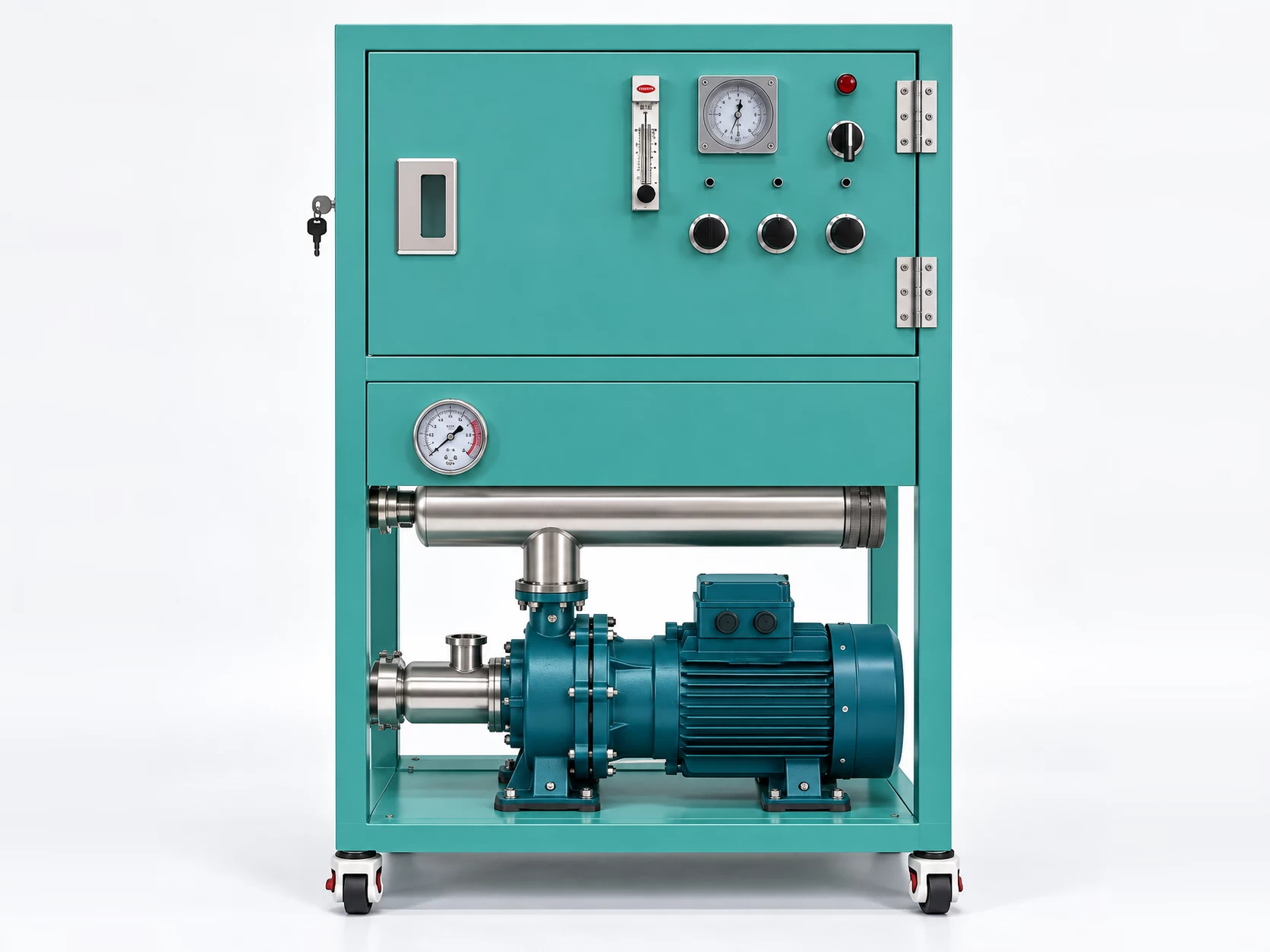
Supply status of pool circulation water systems
Honour Tech supplies nanobubble systems for pool circulation water management.
Frequently Asked Questions
Common questions about integration with existing filtration and disinfection equipment, disinfection chemicals, odor and irritation, safe use of ozone, and evaluation of effects and economics.
Can a nanobubble system be used with existing pool filtration and disinfection equipment?
It is applied by linking the nanobubble system to the pool's existing circulation, filtration and disinfection equipment.
A pool circulation system includes pumps, filters, disinfection units and water quality monitoring equipment. The nanobubble system's connection point is set according to the treatment purpose, considering existing piping, circulation flow and pressure conditions.
Honour Tech checks pool volume, circulation flow, filtration and disinfection methods and installation space to review the system configuration. It is best to start by keeping existing water quality management conditions and comparing the effect.
Does ozone nanobubble water remove the need for existing disinfectants?
The basic approach is to use it alongside existing disinfection procedures rather than replace them. Ozone nanobubbles can be used for water system hygiene and microbial control, and improvements to the treatment method can be considered depending on the process.
Ozone is a gas with strong oxidizing power and can be used for microbial control when adequate concentration and contact time are secured. A nanobubble system is one way of supplying ozone to water; nanobubbles alone do not disinfect.
Each facility needs a different disinfection method, and in circulating water hygiene, the potential for recontamination and continuous management matter as much as the immediate disinfecting effect. Honour Tech reviews the application method considering target microorganisms, dissolved ozone concentration, contact time and the use environment, and confirms that the facility's water quality and hygiene standards are met.
Can nanobubbles reduce disinfectant odor or irritation in swimming pools?
The potential to reduce odors and irritation associated with disinfection byproducts can be reviewed, but it cannot be concluded that applying nanobubbles alone will reduce them.
The characteristic odor and irritation of swimming pools can be linked to disinfection byproducts such as combined chlorine, and are affected by bather load, water quality, ventilation and disinfection conditions.
Honour Tech recommends comparing relevant water quality indicators under existing treatment conditions and under nanobubble conditions. Any improvement is confirmed by actual measurements.
Can ozone nanobubble water be used safely in facilities used by people?
Application can be considered for facilities used by people, but it is important to design safely by separating the ozone treatment section from areas users come into contact with.
Ozone is used for oxidation and microbial control in water, but operators and users must not be exposed to gaseous ozone. Gas leakage, off-gas treatment, residual ozone concentration at the point of use and material compatibility of related equipment are considered along with ozone supply and dissolved concentration.
Honour Tech checks the facility's operating method and use environment to review the necessary safety devices and operating conditions. For uses involving direct human contact or water spraying, exposure potential and the safety standards for that use are confirmed separately.
How are the benefits and economics of a nanobubble system in a swimming pool evaluated?
They are evaluated by comparing water quality improvement together with disinfectant, filtration and water replacement, power and maintenance costs.
Pool water quality varies with season, number of bathers and pollution load, so comparisons should be made under operating conditions that are as similar as possible. Evaluation items include key water quality indicators, disinfectant use, and filtration and water replacement conditions. Disinfectant use is adjusted only within the range that meets statutory water quality and residual disinfectant standards.
Honour Tech compares operating data from the existing system with data after nanobubble application to review the actual water quality management effect and economics. Savings rates are calculated from on-site measurements.
Tell us your pool volume and circulation flow, existing filtration and disinfection method and current water quality problems, and we will review a nanobubble configuration for your pool.
Contact Us