Nanobubbles in Public Biosecurity
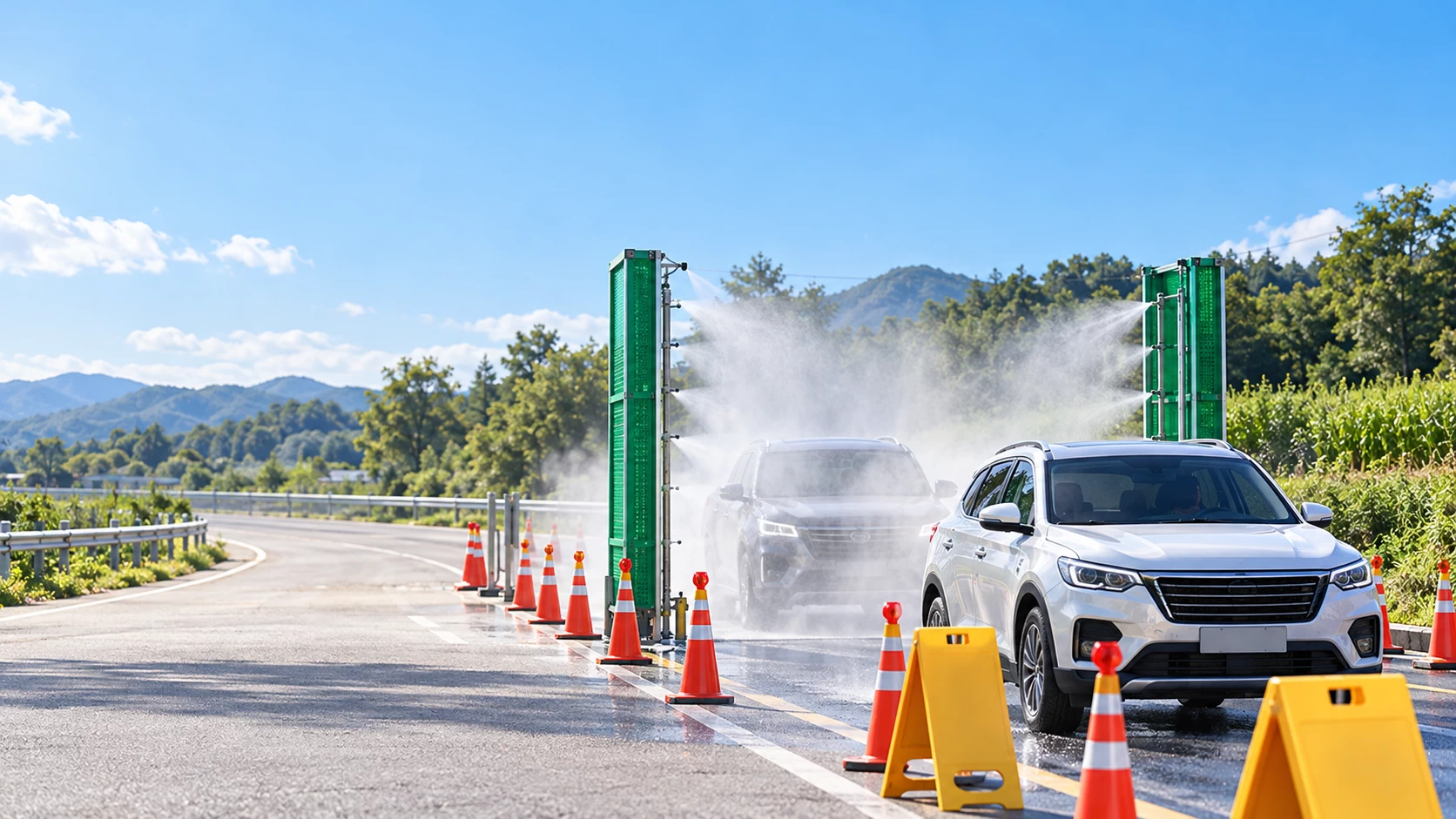
Nanobubble technology is being reviewed for biosecurity checkpoints and vehicle disinfection that prevent the spread of livestock diseases such as foot-and-mouth disease and highly pathogenic avian influenza. A configuration that generates and supplies ozone nanobubble water on site is at a separate validation stage, according to the target pathogens and approved disinfection procedures.
Disinfection process requirements at livestock disease control facilities
When a livestock disease breaks out, large areas must be disinfected quickly and accurately to stop pathogens spreading through vehicles and facilities.
-
Large disinfection areas
Vehicle exteriors, wheels and undercarriages, facilities and equipment all need disinfecting, and contaminants such as soil and manure interfere with disinfection.
-
Chemical transport and residues
Disinfectants are a burden to transport and store, and bring residues and environmental impact.
-
Response speed and safety
During an outbreak, the required volume must be supplied quickly while maintaining disinfectant concentration, contact time and worker safety.
Role of ozone nanobubble water
- On-site production of ozone nanobubble water A configuration that generates ozone nanobubble water on site and supplies it to the disinfection process is being validated.
- Linked to existing biosecurity procedures Applied while maintaining approved disinfection procedures and biosecurity standards. Pathogen inactivation performance is validated separately for each target pathogen.
Ozone returns to oxygen after reacting, but gaseous ozone is harmful to workers, so concentration and exposure must be controlled.
What Are NanobubblesExpected benefits of ozone nanobubbles in biosecurity
A system that generates and supplies ozone nanobubble water at livestock disease biosecurity checkpoints and vehicle disinfection sites is at a separate validation stage, according to the target pathogens and approved disinfection procedures. Public biosecurity is currently at the 'validation' stage, and disinfection efficacy against specific livestock diseases has not yet been confirmed. All benefits below are expected benefits.
-
Action
Ozone disinfection water made on site
- On-site generation and supply of ozone nanobubble water
- Ozone dissolution and oxidation
- Linked to existing spray equipment
Expected benefit
-
Field effect
Supports biosecurity operations
- Less chemical transport and storage
- Residue that returns to oxygen after reacting
- Separate vehicle washing and disinfection stages
Expected benefit
-
Business effect
Optimized checkpoint operations
- Review of treatment flow and time
- Evaluation of disinfectant use conditions
- Work safety management
Expected benefit
Applications of ozone nanobubbles at public biosecurity facilities
Reviewed for vehicle and facility disinfection sites for livestock disease control. Public biosecurity is currently at the 'validation' stage.
-
Biosecurity checkpoints
Disinfection of exteriors, wheels and undercarriages of livestock vehicles
-
Entry biosecurity at livestock facilities
Disinfection equipment for vehicles entering farms, slaughterhouses and similar sites
-
Emergency biosecurity sites
Temporary and mobile disinfection facilities operated during livestock disease outbreaks
- Validation: field and economic validation in progress
Nanobubble systems for biosecurity checkpoints
For a system that generates and supplies ozone nanobubble water on site, spray nozzles and pressure, the disinfection coverage for each vehicle, disinfectant contact time and work safety are reviewed together.
| Sub-application | HQN High density | HQN Ozone option |
|---|---|---|
| Public biosecurity | Optional | Recommended |
| Details HQN | Details HQN |
Recommended Optional For disinfection, HQN's ozone option, which dissolves ozone in water, is recommended first. A configuration that mixes an existing disinfectant into the nanobubble system for circulation is considered only after confirming compatibility with wetted-part materials and operating conditions.
Selection factors
- Facility type and vehicle throughput
- Spray nozzles, pressure and flow
- Existing disinfectant and supply method
- Compatibility of disinfectant with wetted-part materials
- When using ozone: concentration, contact time, off-gas ozone treatment, worker safety
Information to include in your inquiry
- Type of biosecurity facility
- Daily vehicle throughput
- Existing disinfectant and spray method
- Purpose of application
Development and validation status of the ozone biosecurity system
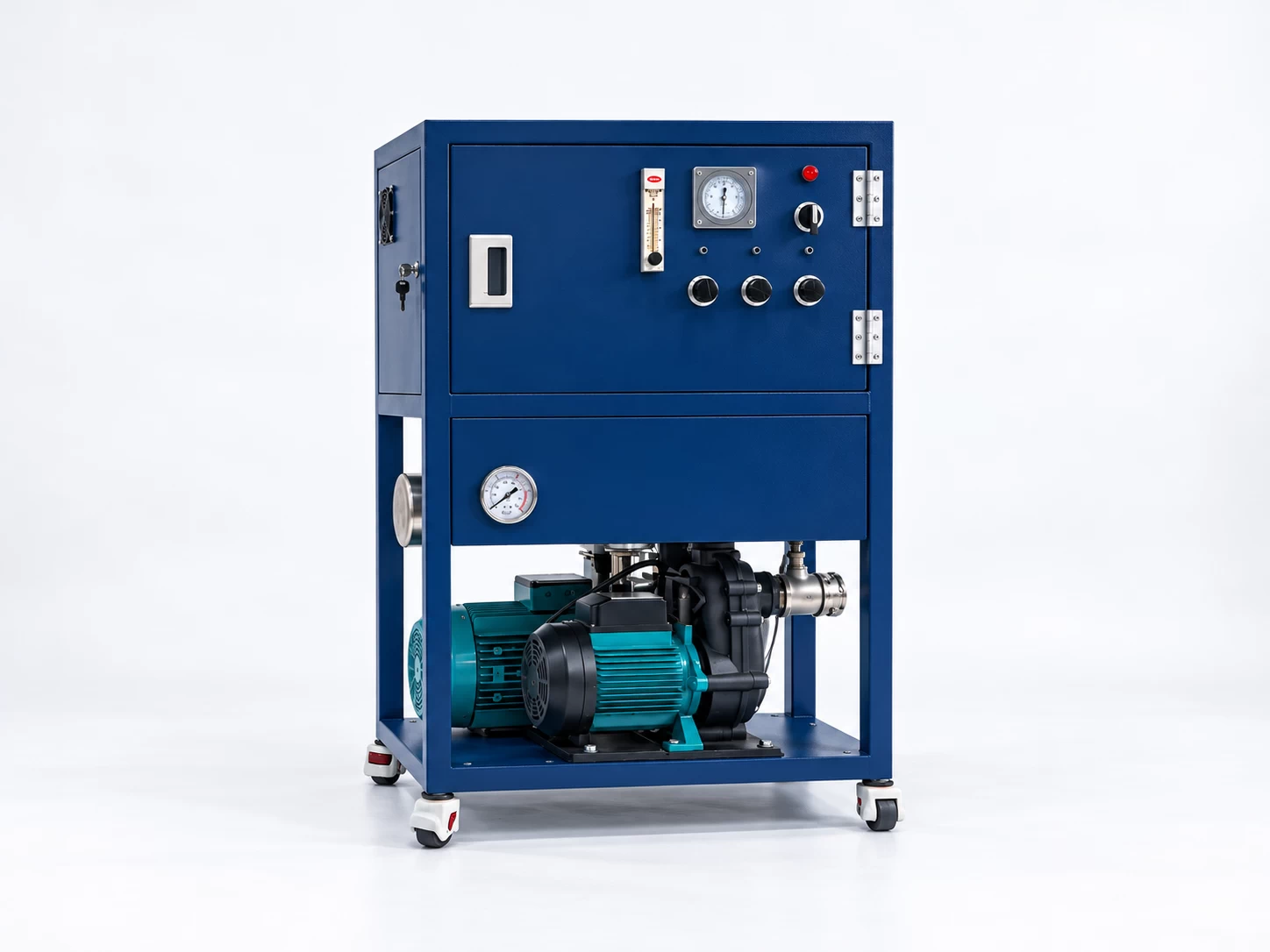
Honour Tech developed an ozone system for biosecurity in 2025 and is carrying out application and performance validation for public biosecurity.
Frequently Asked Questions
Common questions about livestock disease biosecurity applications, connection to existing disinfection facilities, replacing disinfectants, safety during spraying and validation of effects.
Can nanobubble water be used for foot-and-mouth disease or highly pathogenic avian influenza control?
Application of nanobubble technology at livestock disease control facilities can be considered, but disinfecting efficacy against foot-and-mouth disease or highly pathogenic avian influenza must be validated separately.
Foot-and-mouth disease and highly pathogenic avian influenza are caused by different pathogens and may require different disinfection conditions. The use of nanobubble water does not in itself mean these pathogens are rendered non-infectious.
Honour Tech checks the disinfection method and standards of existing biosecurity facilities and reviews the application and validation of a nanobubble system within the scope of maintaining approved disinfection procedures.
Can a nanobubble system be connected to existing checkpoint disinfection facilities or vehicle disinfection units?
Connection of a nanobubble system is reviewed according to the water supply and spray design, treatment flow and disinfectant conditions of the existing facility.
Checkpoint disinfection facilities wash and disinfect vehicle exteriors, wheels and undersides, and each facility differs in nozzle layout, pressure and how vehicles pass through.
Honour Tech checks the water supply system, disinfectant dosing method, spray flow and compatibility of disinfectants with wetted-part materials to review the connection method. Existing biosecurity procedures are maintained; if changes are needed, efficacy and safety are validated separately.
Can ozone nanobubble water replace existing livestock disease disinfectants?
Based on the data currently available, it cannot be concluded that ozone nanobubble water can replace existing approved disinfectants.
Ozone can be used as an oxidant, but the actual biosecurity effect depends on inactivation performance against the target pathogens, organic load, concentration, contact time and method of use.
Livestock disease control must follow disinfectants approved under the relevant standards and their prescribed instructions for use. The potential for ozone nanobubble water to replace them can be considered only when efficacy, safety and regulatory requirements are met.
Is spraying ozone nanobubble water on vehicles safe for workers and vehicles?
Vehicle spraying or misting processes using ozone require safety validation for worker exposure and vehicle materials.
Ozone released from water can be inhaled by workers, and some rubbers, resins and coatings can be sensitive to ozone. Under misting conditions, gas release, ventilation and the working environment must be considered together.
Honour Tech checks the ozone concentration used, exposure potential, ventilation and off-gas management, vehicle materials and the safety conditions of existing facilities to review application. Spraying for field biosecurity is not recommended before sufficient validation.
How is the effect of nanobubble systems in public and checkpoint biosecurity verified?
Washing performance on vehicle surfaces, disinfecting efficacy against pathogens and work safety are evaluated separately.
Washing performance can be evaluated by the degree of removal of attached soil and the spray conditions. Disinfecting efficacy must be confirmed as a reduction in infectivity using test methods appropriate to the pathogen, taking into account the target surface, organic load and contact time.
After checking the conditions of the existing biosecurity process, Honour Tech reviews an approach that validates washing and disinfection performance and safety separately before and after nanobubble application.
Tell us the type of biosecurity facility, vehicle throughput, existing disinfectant and spray method, and purpose of application, and we will review connection methods and the performance and safety validation items required.
Contact Us