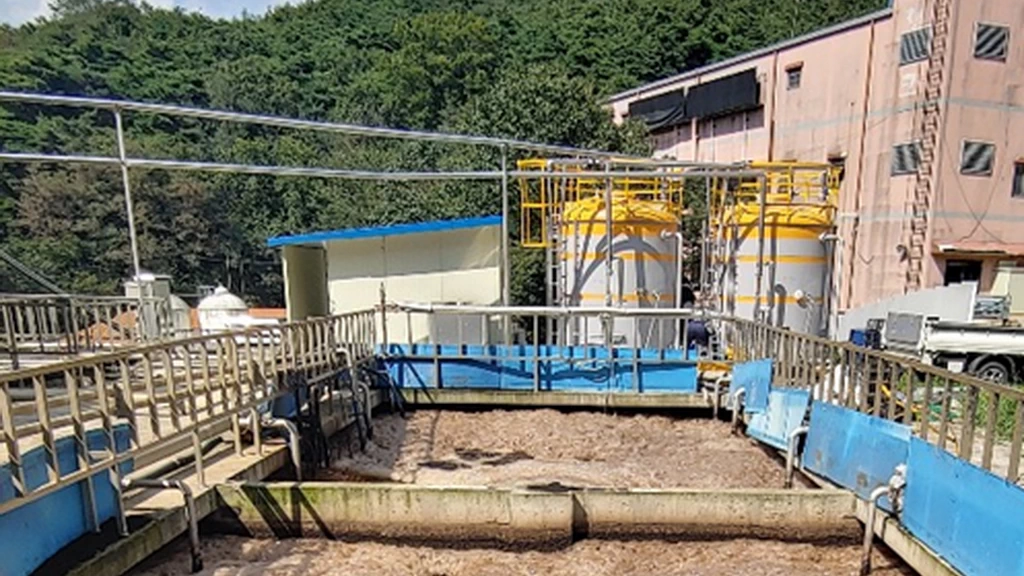
Nanobubbles in Livestock Facility Cleaning & Disinfection
Nanobubble water is applied to cleaning processes in barns and animal housing to supplement surface contaminant
removal, linked to existing hygiene management processes.
Applied to cleaning barn floors and walls, animal
equipment and work areas; disinfection with ozone nanobubble water is considered only once efficacy and safety
are confirmed.
When barn cleaning and disinfection fall short
Organic contaminants such as manure and feed residue build up in barns, and if cleaning is insufficient, subsequent disinfection can also be less effective.
-
Buildup of organic contaminants
Contaminants such as manure, feed residue, fats and proteins build up on facility surfaces, so cleaning takes a lot of water, labor and time.
-
Cleaning blind spots
Contaminants tend to remain in complex structures such as floor gaps, drains, and feeding and watering equipment.
-
Cleaning and disinfection workload
Disinfection and drying after cleaning and worker safety must all be considered, and disinfectant use and residues are also a burden.
Role of nanobubble cleaning water
- Reinforced cleaning Linked with existing high-pressure spray cleaning, it helps remove organic contaminants attached to barn surfaces.
- Applied separately from disinfection Cleaning and disinfection are treated as separate processes. Ozone nanobubble water is considered only under conditions where disinfection efficacy and worker and animal safety have been confirmed.
The cleaning action of air/oxygen nanobubbles and the microbial reduction action of ozone are validated separately.
What Are NanobubblesExpected benefits of nanobubbles in barn cleaning and disinfection
Nanobubble water supplements existing cleaning processes, helping control contaminants on barn surfaces, and can be used to optimize cleaning and disinfection operating conditions. Barn cleaning and disinfection is currently at the 'early market' stage, and cleaning effects and the microbial reduction effects of ozone are validated separately. All benefits below are expected benefits.
-
Action
Supplemented surface contaminant removal
- Reinforced cleaning of organic contaminants
- Linked with existing high-pressure spray cleaning
- Comparison tests of cleaning conditions
Expected benefit
-
Field effect
Supplemented facility hygiene
- Potential to improve cleaning quality
- Control of residual contaminants
- Linked with existing disinfection processes
Expected benefit
-
Business effect
Optimized cleaning and disinfection operation
- Room to adjust cleaning water and time
- Review of detergent use conditions
- Evaluation of disinfection operating conditions
Expected benefit
Applicable livestock facility cleaning sites
Reviewed for livestock facilities that use high-pressure spray cleaning. Barn cleaning and disinfection is currently at the 'early market' stage.
-
Pig facilities
Pig barn floors and walls, aisles, equipment surfaces
-
Poultry facilities
Poultry house interiors, animal equipment, work areas
-
Common livestock facilities
Exteriors of feeding and watering equipment, drains, workshops
- Early market: product and basic performance validated
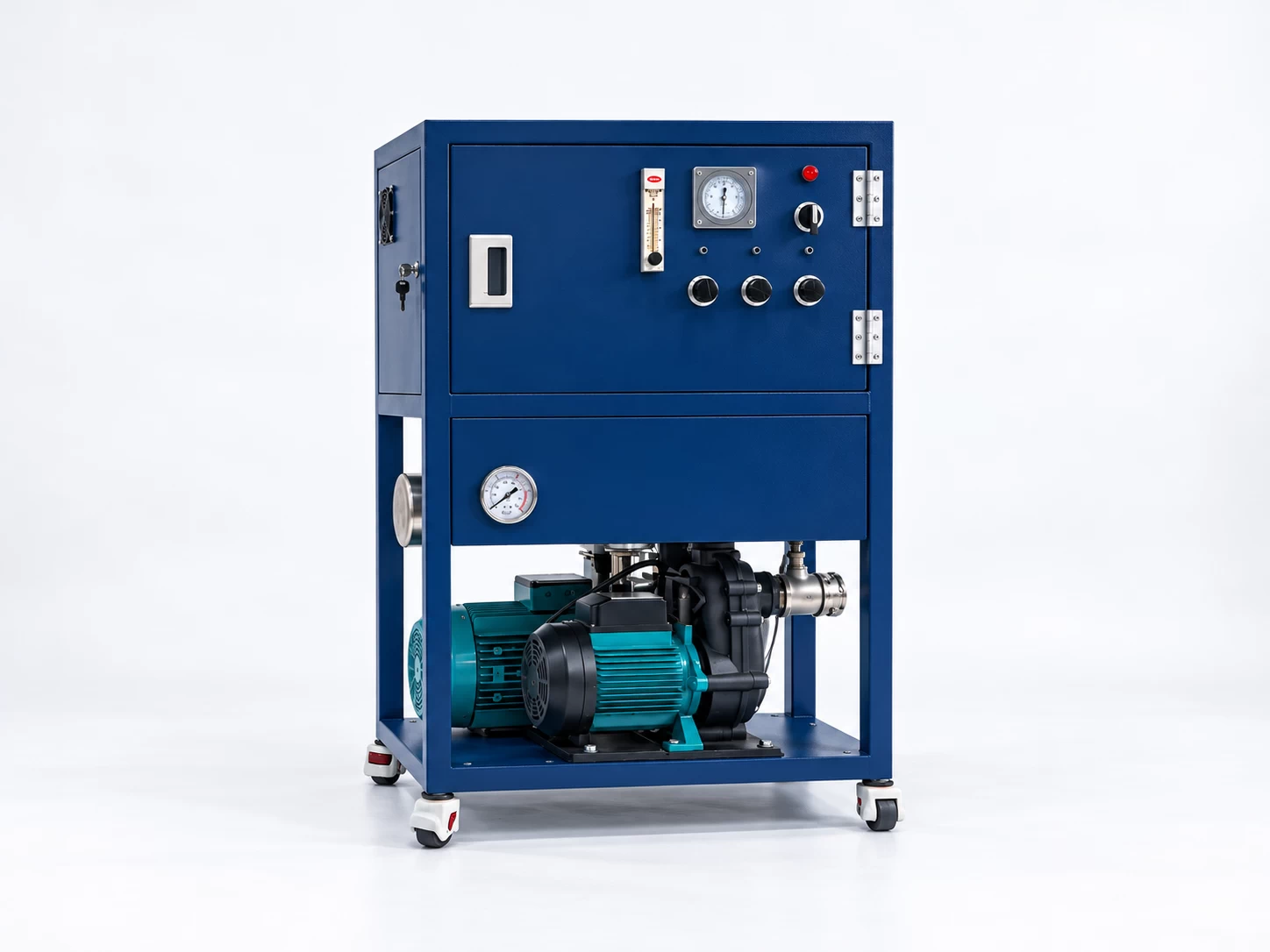
Nanobubble systems for barn cleaning and disinfection
HQN nanobubble water is considered for the cleaning stage, and HQN's ozone option, which dissolves ozone in water, for the disinfection stage. Ozone disinfection is applied only under conditions where efficacy and worker and animal safety have been confirmed.
Swipe left or right to see the full table.
| Sub-application | HQN High density | HQN Ozone option | HEN High efficiency | HEN Ozone option |
|---|---|---|---|---|
| Livestock barn washing & disinfection | Optional | Recommended | Optional | Optional |
| Details HQN | Details HQN | Details HEN | Details HEN |
Recommended Optional For the disinfection stage, HQN's ozone option, which dissolves ozone in water, is recommended first. HEN's ozone option is used only where oxidation reactions are the goal. In spray or mist environments where animals and workers are exposed, ozone is not used for routine disinfection until exposure control and ventilation conditions are confirmed.
Selection factors
- Barn type and cleaning area
- Washer supply flow and pressure
- Type of contaminant
- Existing cleaning and disinfection procedures
- Whether animals are present and ventilation conditions
- When using ozone: concentration, contact time, worker and animal safety
Information to include in your inquiry
- Barn type and area
- Cleaning method and washer specifications
- Current disinfection method
- Installation space and power
Validation status of barn cleaning and disinfection
Honour Tech is reviewing the application of nanobubble water in barn cleaning and disinfection.
Frequently Asked Questions
Common questions about removable contaminants, the difference between cleaning and disinfection, connection to existing high-pressure washers, safe use of ozone, and detergent and disinfectant use.
Which contaminants in livestock barns can nanobubble water be used to remove?
It can be considered as wash water that complements the removal of organic contaminants attached to barn floors, walls and equipment surfaces.
Contaminants such as manure, feed residue, fats and proteins build up in livestock barns. Removal performance depends on how the contaminants adhere and on the pressure, flow rate and detergent conditions of the wash water.
Honour Tech checks the contaminants and washing method at the actual facility and recommends a test comparing ordinary wash water with nanobubble water under similar conditions.
Can nanobubble water also disinfect livestock barns?
Washing with air or oxygen nanobubble technology must be distinguished from disinfection that inactivates pathogens.
Ozone, as an oxidant, may be used for microbial reduction, but the use of ozone nanobubble water does not in itself guarantee a disinfecting effect against all livestock pathogens.
Honour Tech checks the disinfection purpose, target microorganisms, ozone concentration, contact time, organic load and safety conditions to review application. Approved disinfectants and biosecurity procedures are not replaced without validation.
Can a nanobubble system be connected to existing high-pressure washers?
After checking the supply flow, pressure and piping configuration of the existing washer, we review how to supply nanobubble water.
High-pressure spray washers are widely used for barn washing, and cleaning performance is affected by spray pressure, nozzles, detergent use and working method.
Honour Tech checks the washer's maximum supply flow, working pressure, installation space and feed water condition to review the nanobubble system configuration and connection method.
Can ozone nanobubble water be used in barns where animals are present?
Because ozone exposure is a safety concern in facilities housing animals, spraying or misting ozone nanobubble water is not recommended without separate validation.
Gaseous ozone can irritate and harm the respiratory tract, and ozone released from treated water can also affect the working environment. When used, ventilation, residual ozone and material compatibility of the facility must be considered along with exposure of animals and workers.
Honour Tech first reviews whether ozone is needed and the safety conditions, and recommends maintaining existing approved disinfection procedures in facilities where risks cannot be adequately controlled.
Can nanobubbles reduce detergent or disinfectant use in barn washing?
Optimizing detergent use can be tested, but disinfectant use is not reduced unless efficacy against the target pathogens has been validated.
The right detergent dose depends on the contaminants, degree of removal, wash time and facility materials, so we first confirm whether the same wash quality can be maintained with nanobubble water.
Disinfectants serve a different purpose from detergents and must follow the relevant efficacy standards and instructions for use. Honour Tech recommends evaluating washing performance and disinfection performance separately.
Tell us the barn type and cleaning targets, existing cleaning and disinfection methods and washer specifications, and we will review how to apply nanobubble water and how to validate safety and performance.
Contact Us